
A delicious dip into Georgian wine!
🇬🇪 Georgia is small country, but it certainly has a big heart, especially when it comes to wine. At just under 70,000m2, roughly the size of Scotland, with about 50,000 hectares of vineyards, it punches well above its weight in wine history and contemporary relevance.
Continuous wine history
The words 'vino' and 'wine' are believed to be derived from 'gvino', the Georgian word for wine!
One of the oldest wine-producing nations in the world, Georgia's ancient traditions and wine culture are entwined with the country's national identity, including a deep-rooted link between wine and religion. It was the second or third country in the world to be fully Christianised and monasteries even used to teach winemaking.
Despite the Ottoman and Soviet occupations later on, wine has been made continuously in Georgia for over 8000 years and consumed domestically at family, religious and other gatherings, including the iconic supra, a traditional wine-filled Georgian feast and celebration.
Today, there are around 1000 registered wineries in Georgia. Most wine is made by large companies, who mainly export to Russia (over 60% of the total export market). However, there are many small, artisan producers focusing on the west, Japan and Australia, where they work with importers seeking lower volumes of wine.
Georgian grapes
Over 525 grape varieties have been identified, although only around 40 are commercially grown. Rkatsiteli (white) and Saperavi (red), both favoured by the Russians, remain the two principal varieties, while overall 60% of plantings are white grapes and 40% red.
During the Soviet period, only a few grapes, including Rkatsiteli and Saperavi, were chosen for mass production due to their larger yields. Many other varieties only survived because of small-scale local production for consumption in villages and amongst families and also due to the vines' innate ability to survive in the wild.
Terroir
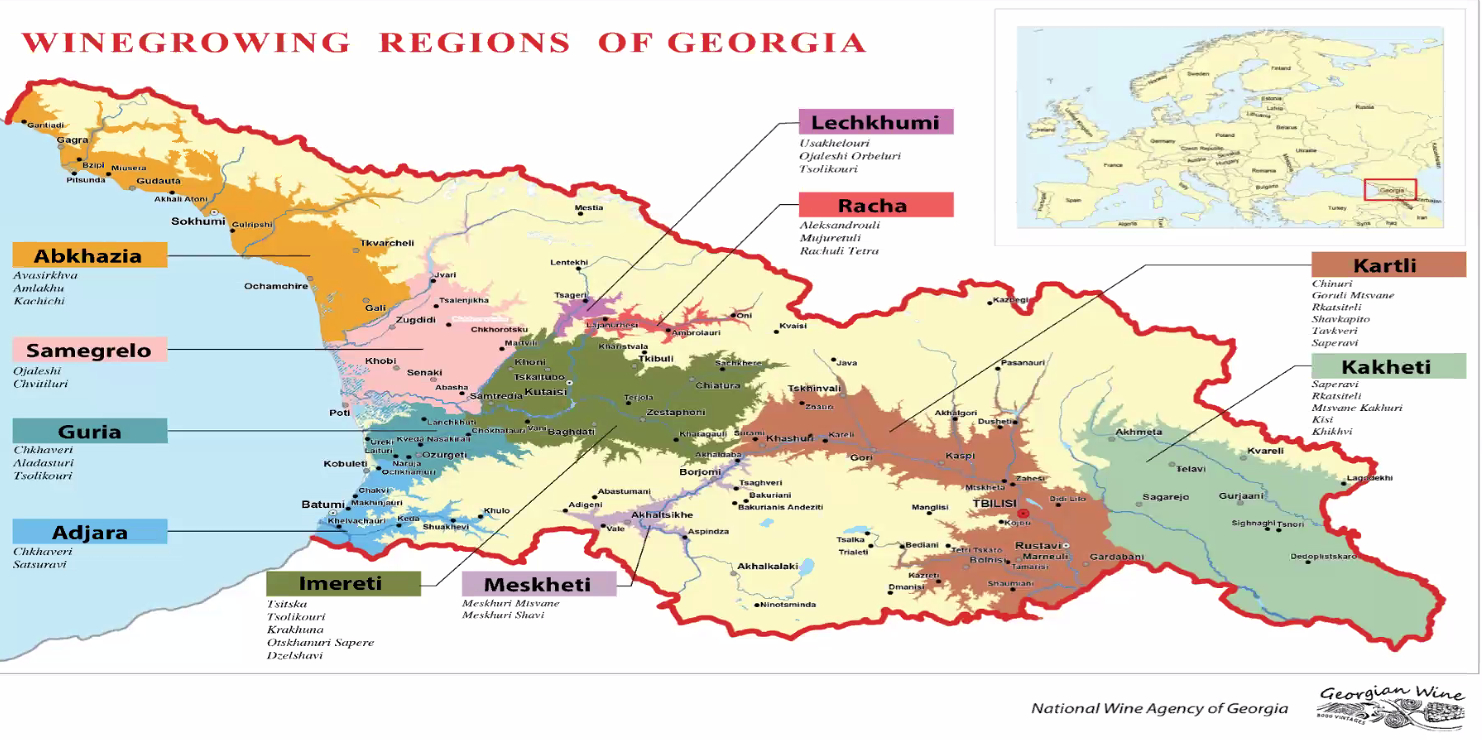
Georgia's climate and geography are extremely varied, influenced by mountains, deserts, the Caspian Sea to the east and Black Sea to the West.
The ten wine regions show differences in grape varieties, soil types and microclimates. Kakheti, the south-eastern region containing 20 of the country's 30 PDO appellations, produces three quarters of Georgia's wines. The soils here are particularly diverse, encompassing sandy-alluvial, alluvial-stony, loam, silt, clay, slate and carbonate.
John Steinbeck: "It is a country favored [sic] in climate, very rich in soil, and it has its own little ocean."
The Mediterranean and Continental climates result in cold winters and dry, warm summers with an annual rainfall of typically under 1000mm. However, despite the High Caucasus mountains in the north and cooling sea influences offering some weather protection, the country has not been immune to the effects of climate change.
Kakheti, in particular, sees an increasingly warmer weather influence coming up from the Persian Gulf to the south, with summer temperatures reaching 40-45°C, while frost and hail can hit at other times, forcing earlier harvests. Also, the Black Sea brings much humidity to the western grape-growing regions and, consequently, disease pressure.
Qvevri
In terms of wine, Georgia seems synonymous with qvevri and qvevri synonymous with Georgia. These traditional, conical clay vessels, dug into the ground for fermentation, ageing and storage remain an iconic UNESCO-recognised symbol of the country, yet represent less than 10% of production.
Heritage and innovation
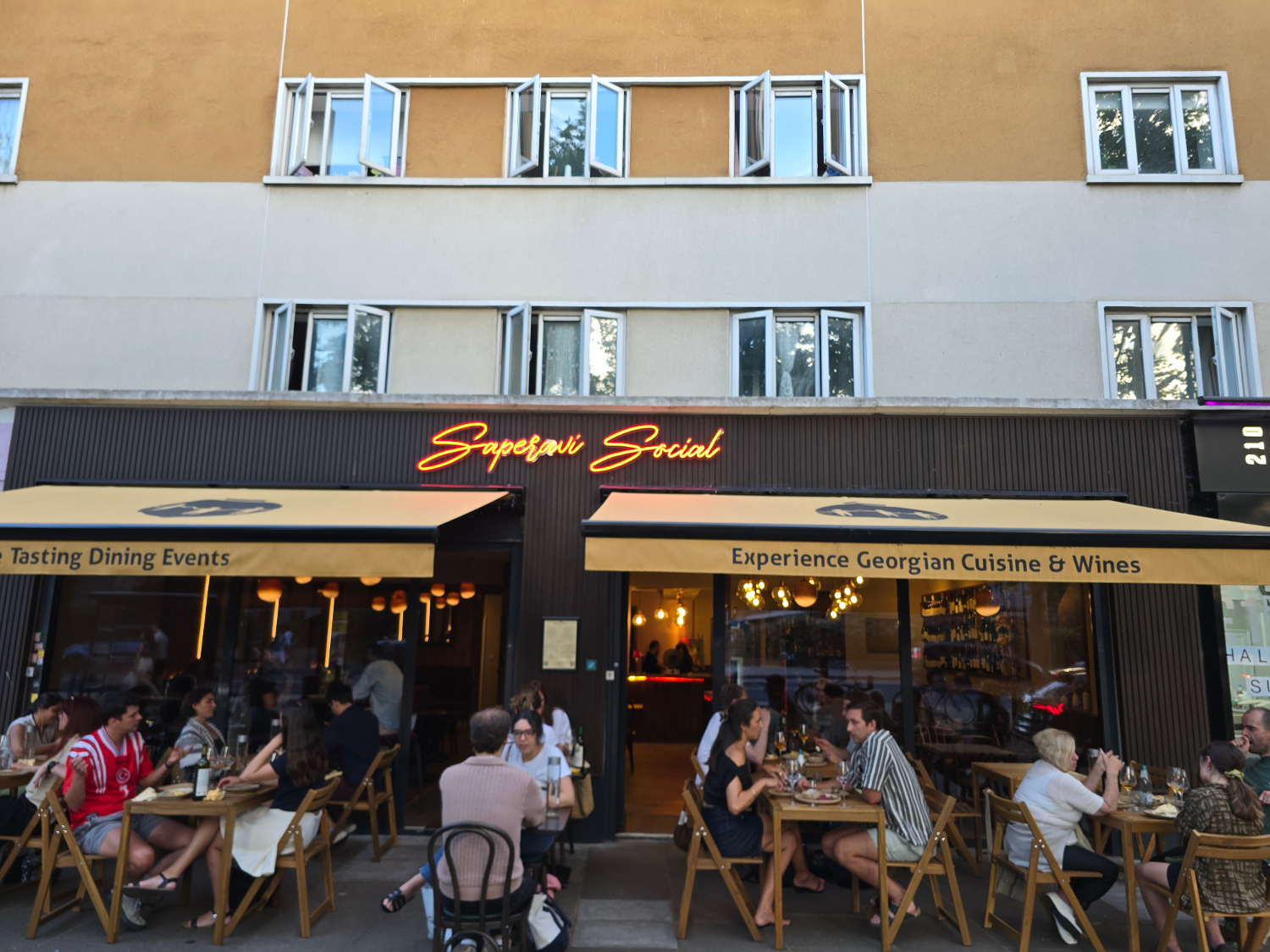
Georgian Wine: Heritage and Innovation was the focus of a recent panel discussion and tasting at London's Saperavi Social, hosted by Topouria Group in collaboration with Les Caves de Pyrene, the UK's largest importer of Georgian wines. The panel of wine professionals was joined by fifteen representatives from London's wine trade and press.
Many themes emerged, but the main ones which stood out were:-
- While the qvevri is an integral part of Georgian winemaking, it shouldn't be the sole focus.
- Qvevri winemaking is not a homogenous approach.
- Vive la renaissance!
- Saperavi can lead the way
- Many indigenous grapes to discover
For Paul McSharry of MAZE Drinks, it should be "the signature, not the stereotype". He feels that there's a danger of people unfamiliar with the diversity of Georgian wines being put off trying one if they're not fans of natural or orange/amber wines.
"Orange wine is the handshake which opens up the conversation to everything else."
"It's just a very small part of it", he says. "There are over 500 indigenous grape varieties in Georgia and many different ways of making wines. So, if it leads people into trying some in the first place, then great, but I think it shouldn't be the sole focus. We need to make sure that people understand that there are different things happening."
However, Douglas Wregg, Sales and Marketing Director of Les Caves de Pyrene adds a note of caution, "I think one should never sacrifice, in the name of modernity, something which attracts people to you in the first place. So many of our growers and from the natural wine world have paid homage by going to Georgia, being blown away by these authentic wines and taking something back with them. French producers weren't making orange wines until they visited Georgia.
"Equally, Georgian producers go to natural wine fairs throughout the world, obviously to spread the word, but also to taste other people's wines. They've brought back ideas and inspiration, but I think qvevri winemaking is almost at the heart of the true artisan Georgian wine scene."
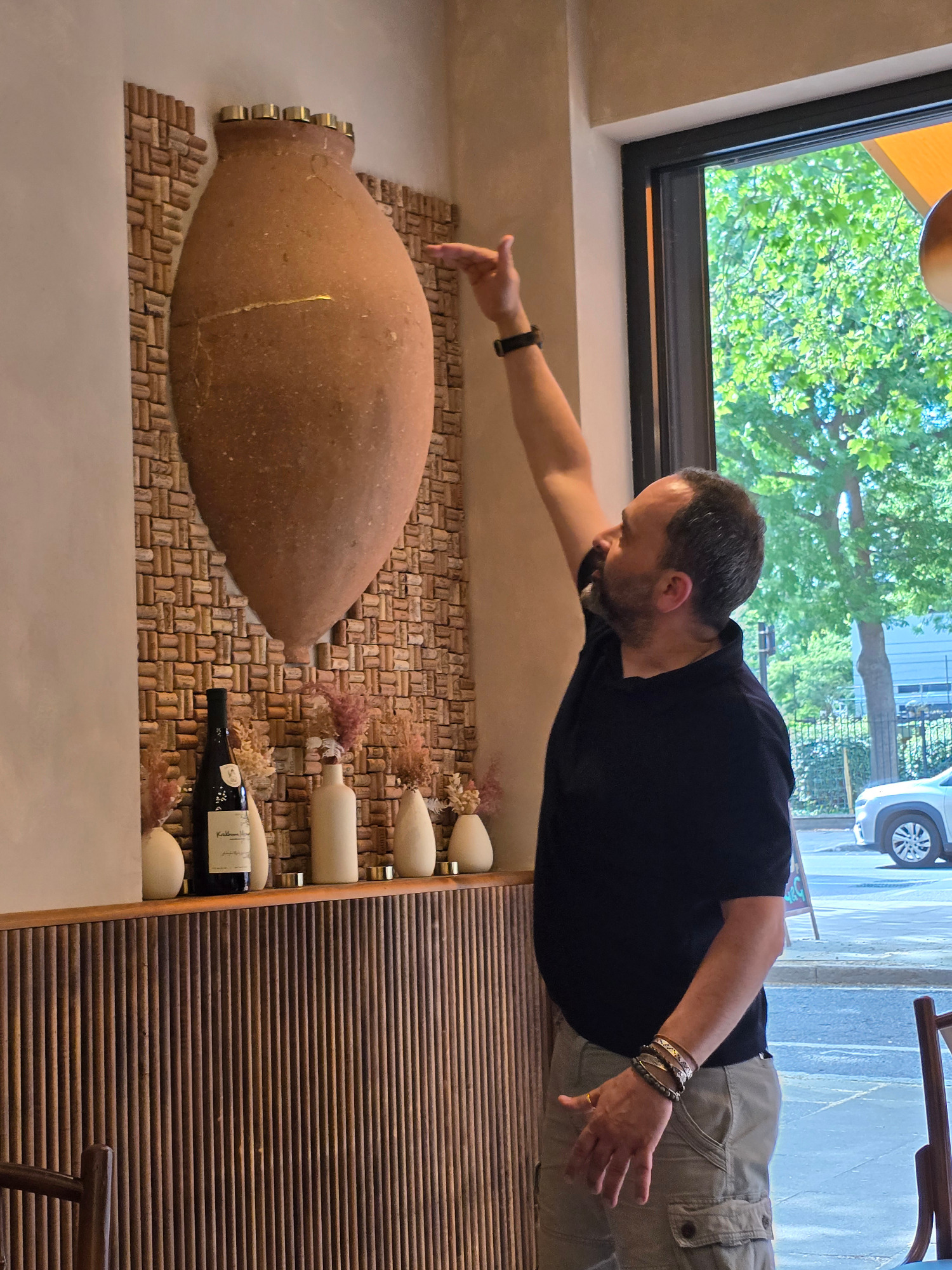
Davit Berulashvili, co-owner of Saperavi Social, demonstrating the features of a Georgian qvevri
"It's a story as well", continues Wregg, "such a great point to hang the whole of Georgian wine on. It's not just a tank, but so much more than that plus all the sort of religious symbolism intertwined.
"One should never dismiss it or just say it's an art form. For me, I would put it at the forefront of the whole thing, because symbolism in culture is really important. I think Georgia is unique in that it's really aware of its culture and has channelled and presented it in a really exciting way."
Georgian amber wines come in different guises, from lighter bodied expressions with very short skin contact to full-bodied expressions with long skin contact, fermented and matured together with the stems. Even using qvevri lined inside with beeswax can affect the flavour, according to some winemakers. They argue that unwaxed qvevri can impart more earthy minerality from the clay into the wine, while if waxed, they will have similar properties to using stainless steel with skins and stems. For this reason, some winemakers prefer to use unwaxed qvevri.
There's been a renaissance in Georgian wine led by a new generation of young winemakers going through formal training and bringing a contemporary approach while upholding their country's wine traditions.
McSharry explains further: "We're seeing a lot of people from different professions quitting their jobs, moving back to where they're from and building vineyards. We also have a generation of Georgians who've received some education or who've worked in different wine regions. For example, Data Gamgoneishvili, who makes wine for Ikano, has trained and worked all over the world. His intention was always to come back and make wine in Georgia. For him, it was important to see other winemaking practices from many different regions and, I suppose, come back and bring his take on them whilst respecting the heritage of Georgian winemaking."
Saperavi is the variety most people are familiar with, is accessible and easy to pronounce. So, it can act as "an ambassador" and open the door to the country's diverse wine styles, in a similar way to Argentinian Malbec and Chilean Carménère have done.
While Saperavi and Rkatsiteli dominate, many other indigenous varieties have been revived and are making excellent wines. These include Kisi, a grape native to Kakheti, which was in danger of extinction but is now producing excellent aromatic white and amber wines.
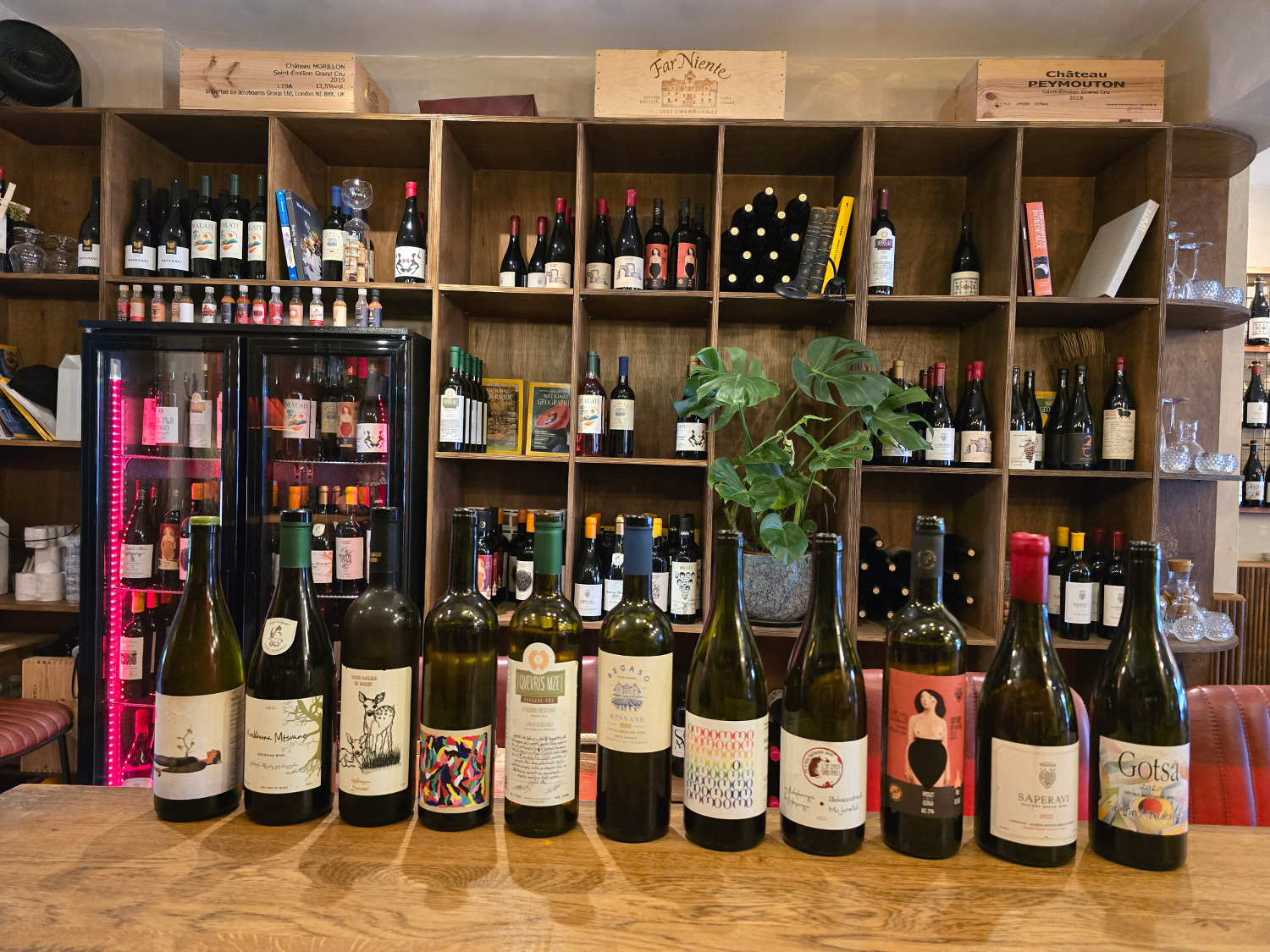
The wines
Eleven wines were samples and discussed, split into three flights: 'European-style' fresh whites, skin-contact qvevri wines (a white, two ambers and a blend) and four qvevri reds. All were accompanied by delicious food provided by Saperavi Social.
My top highlights were the following four wines:-
- GK Winery Rkatsiteli 2023
- Natia Chekhurishvili (White Mulberry Winery) Tsitska 2024
- Wine Thieves Saperavi 2020
- Gotsa Winery Saperavi Budeshuri 2020
Made in Kakheti from 100% Rkatsiteli and aged on lees for one year. ABV is 12%.
This is crisp and clean with notes of stone fruit, citrus and a hint of herbs plus a textural touch of lees-influenced lemon curd. Acidity is fresh with a mineral edge that keeps you wanting more! A good match for many dishes, including fish, chicken or cheese.
Made in Imereti from 100% Tsitska, the wine spends 15 days ageing on its skins in qvevri. ABV is 12%.
Fresh and floral with juicy tropical and stone fruit notes, a fresh hint of lemon sherbet plus a long mineral finish. This a great example of a light skin-contact white with a gentle texture that is very different to the fuller-bodied, tannic style often associated with qvevri amber wines. Try with soft cheeses or king prawns.
From Kakheti, this artisan wine is made in qvevri from 100% Saperavi with some dry stems added for complexity. ABV is 12%.
Notes of cherries, prunes and spice with a slight hint of cooked apples and plums plus a good acid/tannin balance. Given its modest alcohol percentage, this is impressively flavourful and refreshing with a fuller-bodied texture and would go perfectly with rich meat dishes.
From Kartli, this is a biodynamic wine made in qvevri from Budeshuri Saperavi (a subcategory of Saperavi with smaller berries and thinner skins). ABV is 15%.
A different expression of Georgia's signature grape variety, this is full of juicy dark fruit, plum and mixed berry compôte notes with a hint of soft leather plus tannins that have already become more supple with a few years' aging and will continue to do so. A good pairing for venison dishes or roast turkey.
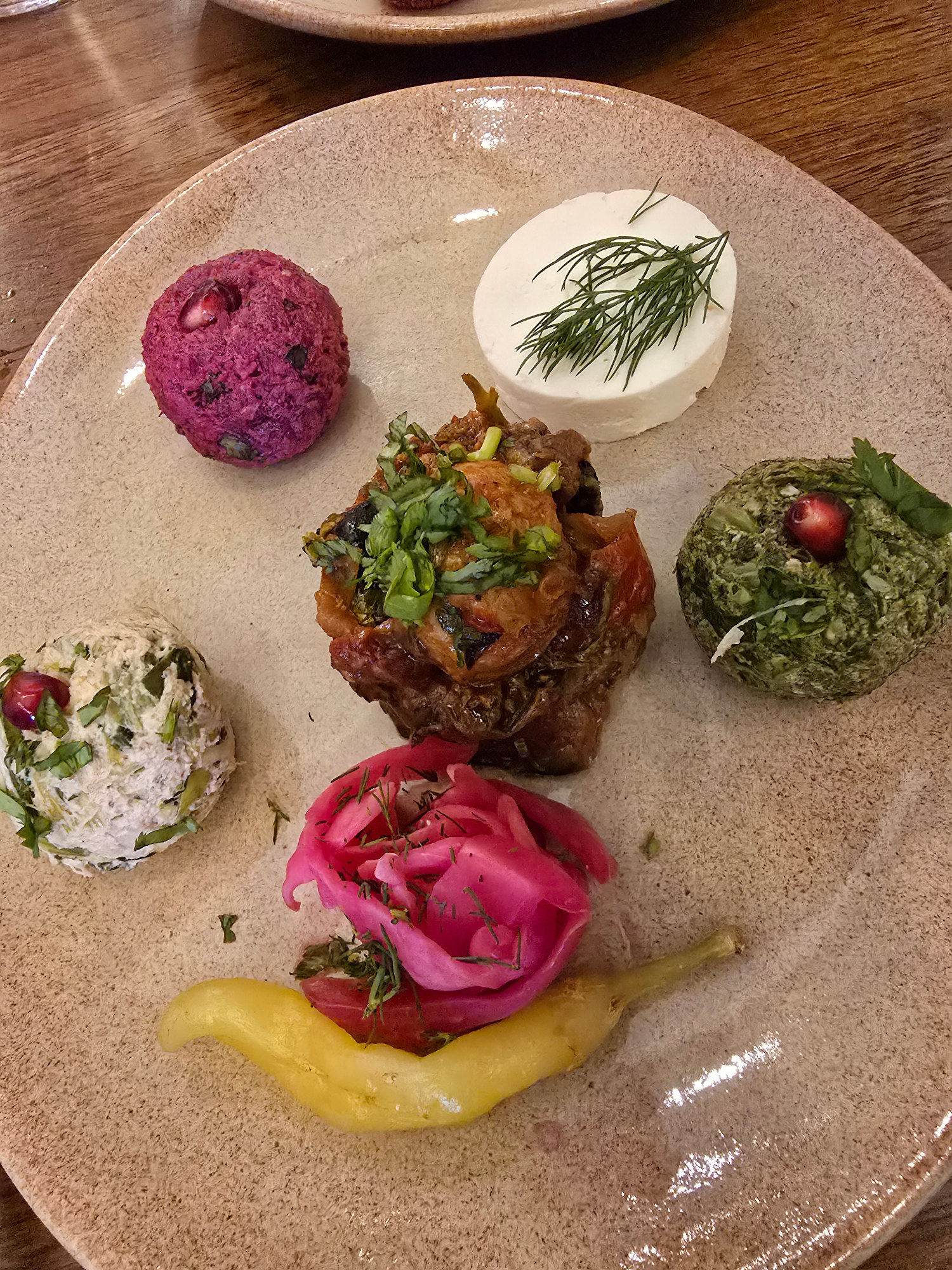
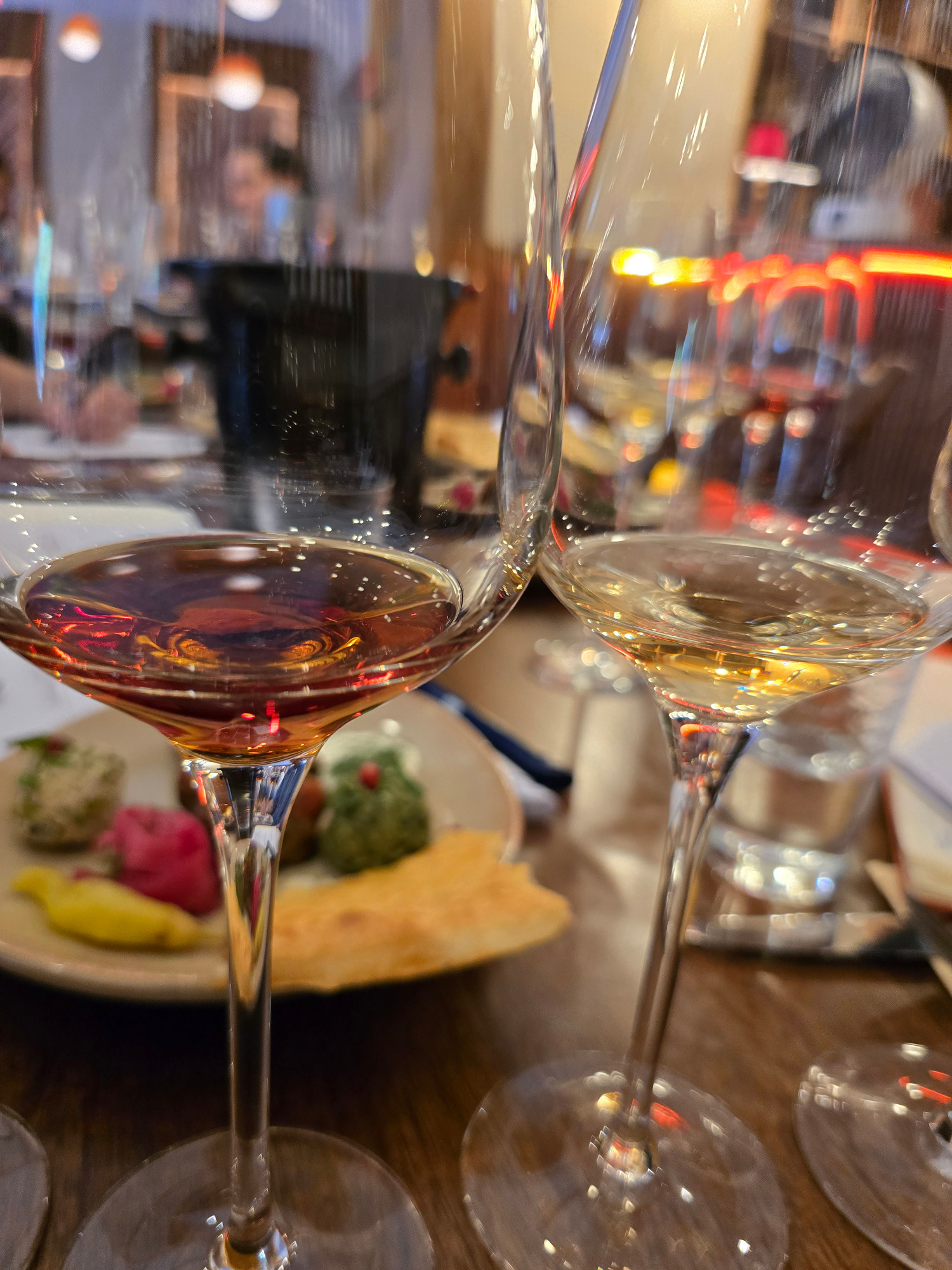
All eleven wines showed great compatibility with Georgian food, including the appetisers shown above, but will pair perfectly with a wide range of cuisines.
Final thoughts
With younger winemakers willing to combine traditional and more modern approaches, there is a wave of excitement building about this unique nation's unique wines. From aromatic, racy, dry whites to rich, full-bodied reds and beyond, there really is something for everyone.
Georgian wine is having a renaissance and many producers are keen to grow their presence and highlight the contemporary relevance of their wines in key export markets. Despite the many problems facing the wine industry, the UK is well-placed to enjoy the vinous fruits of these labours.
Many thanks to Liam Spindler (Founding Partner at Topouria Group), Douglas Wregg, Paul McSharry, Davit Berulashvili (co-owner of Saperavi Social) for their valuable and instructive contributions during the panel debate and for guiding us through the wines.